Article: Giving Birth at the Rotunda: How to Prepare Without Overpacking
Giving Birth at the Rotunda: How to Prepare Without Overpacking
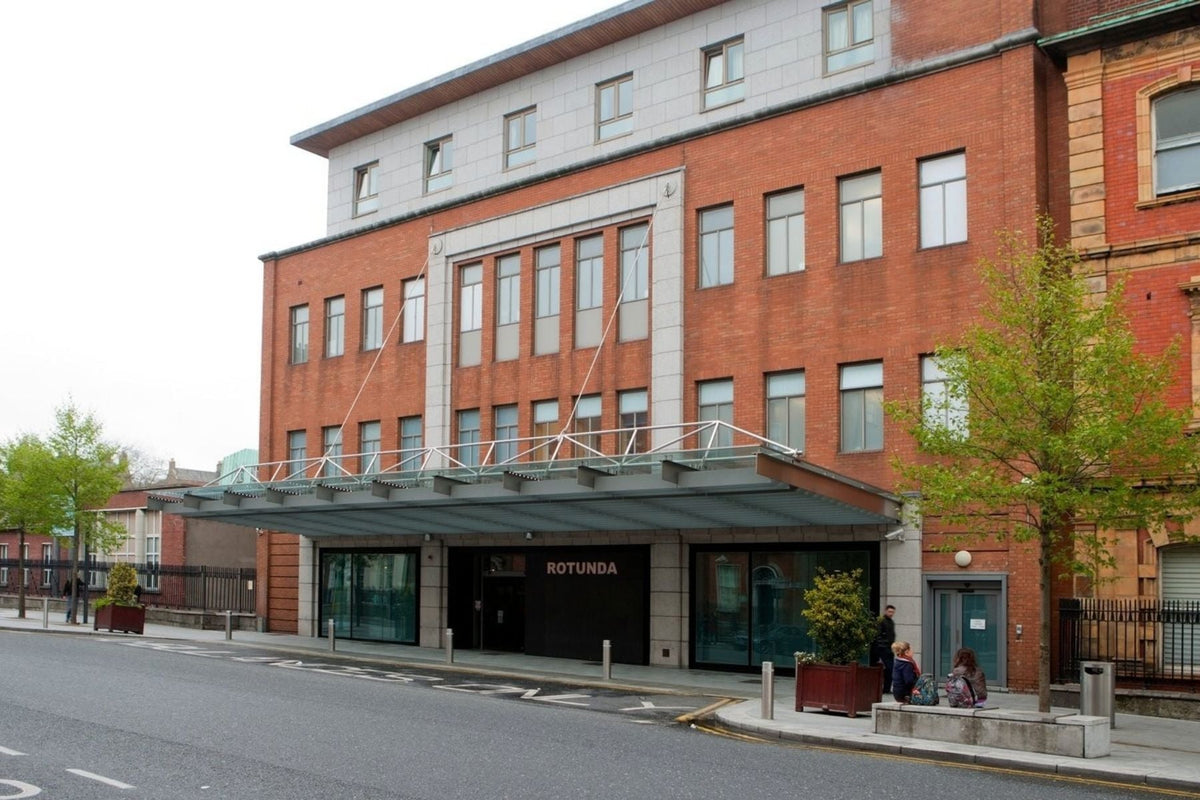
If you're having your baby at the Rotunda, you're in good company. It's Ireland's busiest maternity hospital, and it has been welcoming babies on Parnell Square since the 1700s. That history is part of its charm. It's also the reason your Rotunda hospital bag deserves a little more thought than most.
Because here's what the generic checklists don't tell you: space is tight. The Rotunda says so itself. Its delivery suites were renovated in 2021, but the hospital is candid that they remain small for a 21st-century hospital in an 18th-century building. And on the wards, the advice is simple: there is limited space, so pack lightly.
So this isn't a post about packing more. It's about packing well. Here's what the Rotunda asks you to bring, how to organise it so you (and your partner) can find everything, and what you can happily leave at home.
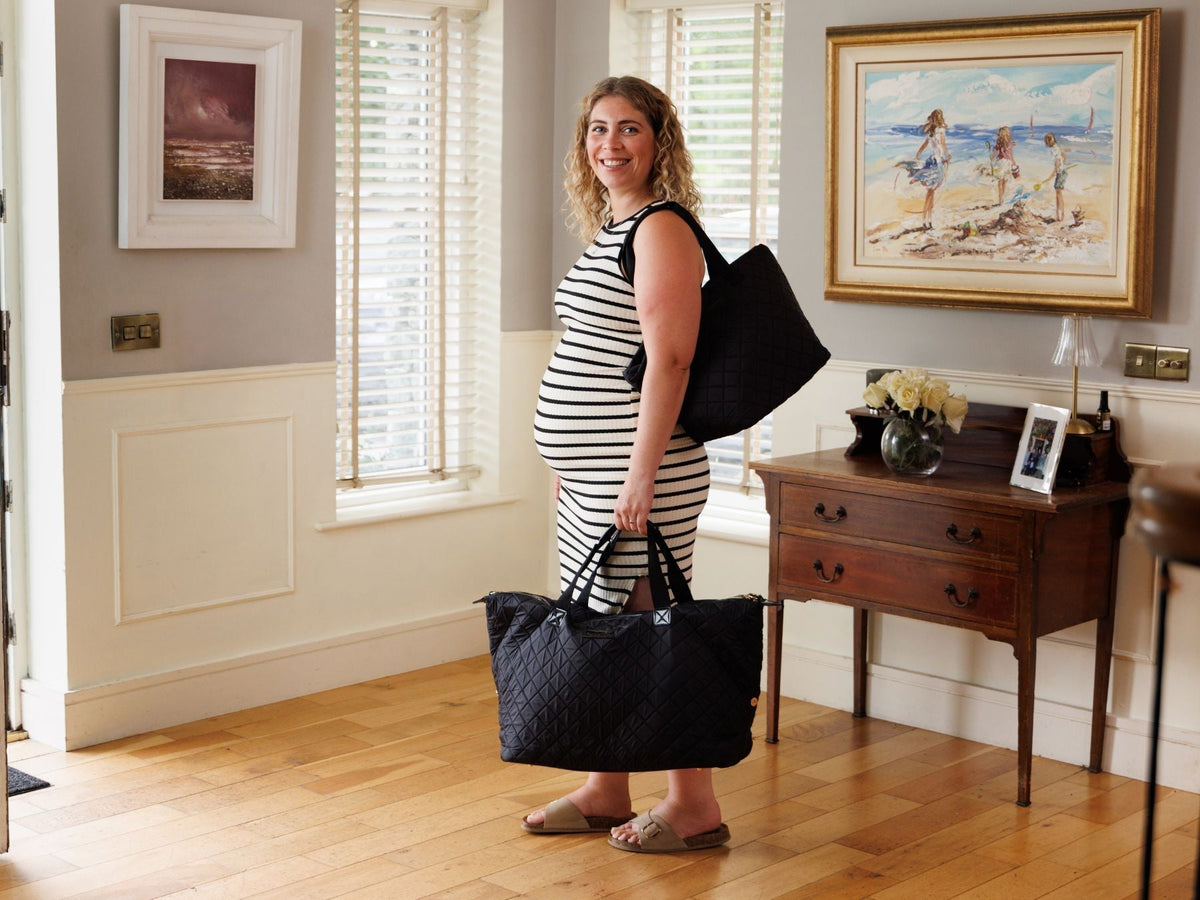
The short answer: The Rotunda asks you to have your bag packed by your final month, to pack lightly, and suggests one bag for labour and birth and a second for your stay on the ward. Keep your healthcare record with your bag. Then sort everything into small, clearly labelled groups so nothing ends up at the bottom.
What Does the Rotunda Ask Me to Bring, and How Should I Organise It?
The Rotunda publishes its own packing list on its Hospital Bag page, along with a printable Packing Your Bag leaflet. Here's what they ask for, grouped the way you'll actually use it.
Your labour and birth bag
This is the one that comes with you to the Delivery Suite. According to the Rotunda, it should include:
- Two loose-fitting nightdresses (the leaflet notes an old long t-shirt works too)
- Dark full-brief underwear
- Warm socks, slippers and a light dressing gown
- Hair bobbins and a brush
- A wash bag with toiletries: shower gel, sponge, toothbrush, toothpaste, deodorant
- Maternity pads
- A large, dark-coloured towel
- Fresh nightclothes for after the birth (ideally front-opening for feeding) and a nursing bra
- Baby's first outfit: a babygro, vest, cardigan and two hats
- Two nappies and a pack of cotton pads
- Your phone charger
For you on the postnatal ward
Once you move to the ward, the Rotunda suggests:
- Fresh pyjamas or a nightdress for each day
- Dark full-brief underwear (the leaflet suggests around ten pairs)
- Maternity pads
- Two nursing bras and breast pads
- Your wash bag and a large, dark-coloured bath towel
- Loose-fitting clothes for going home
For baby
- Six babygros or sleepsuits and six vests
- Two hats and two cardigans (the leaflet notes these are for winter babies)
- 15 nappies
- Cotton wool pads or water wipes
- A pack of muslin cloths
- An outfit for going home
The leaflet also adds two baby blankets and a gentle reminder that all baby clothes should be washed before you pack them.
The small things that are easy to forget
These are the details that don't feel important until you need them:
- Your healthcare record. The Rotunda asks you to keep it with your bag so it comes with you when you go in.
- Coins for parking. The leaflet specifically mentions money for parking meters, and the Rotunda's car parks take coins only.
- Flip-flops for the shower, travel-size toiletries, light snacks and drinks, and a pen, all from the Rotunda's essential postnatal list.
How Long You'll Be There (and Why It Matters)
It's much easier to pack lightly when you know what you're packing for. The Rotunda's own antenatal class materials put the typical postnatal stay at two to three days after a vaginal birth, and three to five days after a Caesarean. You'll generally move to the postnatal ward around two hours after your baby arrives.
That's a few days, not a fortnight. You need enough to be comfortable, with a little in reserve. Anything else can follow you in.
How to Organise Your Rotunda Hospital Bag
Here's the approach we'd suggest, built around the Rotunda's own advice.
Use two bags (plus a going-home outfit)
The Rotunda notes that some women have a bag for labour and birth and another bag for their stay. It's a small change that makes a big difference in a compact delivery room.
- Labour and birth bag. Small, light and with you from the start. Everything you need for the Delivery Suite, plus baby's first outfit and your fresh nightclothes for afterwards.
- Ward bag. Your main bag, with your daily changes, extra pads and underwear, and baby's clothes for the rest of your stay. It can wait at home or in the car until you've settled on the ward.
- Going-home outfits. One loose outfit for you and one for baby. Your partner can bring these in on the day, along with the car seat.
Then sort inside each bag

This is where most hospital bags come undone. Everything goes in neatly at 36 weeks, and by day two it's a jumble of tiny vests and maternity pads. If you packed your own bag last time and found yourself rummaging in the delivery room, you'll know exactly what we mean.
The fix is to group things by when you'll need them, not by what they are. Here's how that looks with our Classic NestPods, though labelled zip bags work on the same principle:
- Pads & Panties (drawstring pod): maternity pads and dark full briefs. The things you'll reach for most, so they sit at the top.
- Mum's Musts: nightdresses, nursing bras, socks and your dressing gown.
- Bosom Buddies: breast pads, nipple cream and anything else for feeding.
- Baby's Bits: nappies, cotton pads or water wipes, muslins and hats.
- Little Extras: phone charger, lip balm, hair bobbins, a pen, your parking coins and a few snacks.
- Six Change Kits: the Rotunda asks for six babygros and six vests, which works out at exactly one complete outfit per kit. Pop a vest and babygro in each, and your partner can grab a whole change without unfolding anything.
It sounds like a small thing. But at 3am, when you're tired and your partner is asking where the nappies are, it's everything.
What You Can Leave at Home
Overpacking usually comes from love, and a little bit of worry. Here's where you can ease off:
- The jumbo pack of nappies. The Rotunda suggests 15 nappies for your stay. Bring those, and leave the rest of the box at home.
- Full-size toiletries. The leaflet suggests travel size. Your locker will thank you.
- Cardigans and hats for a summer baby. The leaflet lists these as winter only.
- A week's worth of outfits. You're packing for a few days, and most of them will be spent in nightwear.
- The "just in case" pile. The Rotunda's own reassurance is the best one: if you forget anything, your partner can get it at one of the shops nearby. You're in the middle of Dublin city centre, just north of O'Connell Street.
- Valuables and jewellery. Leave anything precious at home where it's safe.
A Note for Partners
If you're the birth partner, this part's for you. You're going to be busy, in the best way.
- It's you in the room. The Rotunda welcomes one named Nominated Support Person to stay in the Delivery Suite, and can't facilitate a second. So it's worth knowing where everything is before the day. Pack the bags together if you can.
- Ward visiting. On the postnatal wards, the Nominated Support Person can visit from 8am to 8pm, seven days a week, with no more than two people at the bedside at once.
- Parking. Visitors can use the front car park (entrance opposite Conway's Pub) or the back car park (entrance on Parnell Square West) during set visitor hours, and the meters take coins only. Q-Park Parnell nearby also offers discounted parking for Rotunda visitors. Keep a stash of coins in the car.
- Bring your own basics. A phone charger, a water bottle and some snacks. Labour can be long, and you'll want to stay put.
- You're on fetch-and-carry duty. The ward bag, the going-home outfits, the car seat and anything forgotten. Knowing which pod holds what makes this much easier.
Making It Simpler With Ulluv

We've been there. We've done the thinking, so you don't have to.
If you'd like to pack your own essentials but want everything to have its place, our bag sets were designed with exactly this kind of hospital in mind:
- The Compact Bag Set is a two-piece set: a spacious large holdall with room for both you and baby if you're a lighter packer, plus a matching toiletry bag. It's ideal if you're taking the Rotunda's "pack lightly" advice to heart.
- The Organised Bag Set is a three-piece set with dedicated bags for you, baby and your toiletries. It mirrors the Rotunda's two-bag approach beautifully: your large holdall for the ward, the medium holdall for baby, and everything easy to hand.
Prefer to have the contents sorted too? The Compact Packed Hospital Bags and Organised Packed Hospital Bags come pre-packed with carefully chosen essentials, leaving you with just your own and baby's clothes to add.
And whichever bag you choose, our award-winning Classic NestPods turn it into a system. That's 11 pieces in durable grey nylon with soft pink trims, including the Pads & Panties pod and six mesh-backed Change Kits, so you can see baby's outfits at a glance. They won Bronze for Best Innovative Product at the Pregnancy & Baby Fair Product Awards, and they'll happily move into your weekend bag long after you're home.
That's the part we love most. Customers tell us they're still using their Ulluv bags years later, for holidays, weekends away and every chapter that follows. We have our own guide on the ultimate hospital bag checklist, which is worth taking a read through also as it might give you some more good ideas for your hospital bag.
Ireland's original maternity bag. Prepared for the day. Loved for life.
A Gentle Reminder
This guide is based on the Rotunda Hospital's publicly available packing list, leaflet and visitor information at the time of writing. Hospital policies can change, so always check rotunda.ie for the most up-to-date list, and follow any specific advice from your midwife or care team. If you're attending the Rotunda Private, check rotundaprivate.ie as well.
PS: In the middle of all the packing and planning, remember to look after you.
Thoughtfully yours,
Siobhán

Written by Siobhan Stack
Siobhán founded Ulluv from her own experience of life’s big moments. Every product is chosen, road-tested and packed by her — with the care she’d want someone to show her.